
IANS

ABOUT ME · MY JOURNEY

From server rooms
toAI.

I started with technology you could touch: servers that had to be carried in, installed and kept running. More than twenty years later, an idea can become a working solution in an evening. Between those points is a story of how technology changed and shaped the way I work, learn and build.

2003 23 years of technological change 2026
Server physical
VM virtual
Cloud services
Hybrid connected
AI create
↓ Explore the journey
2003–04
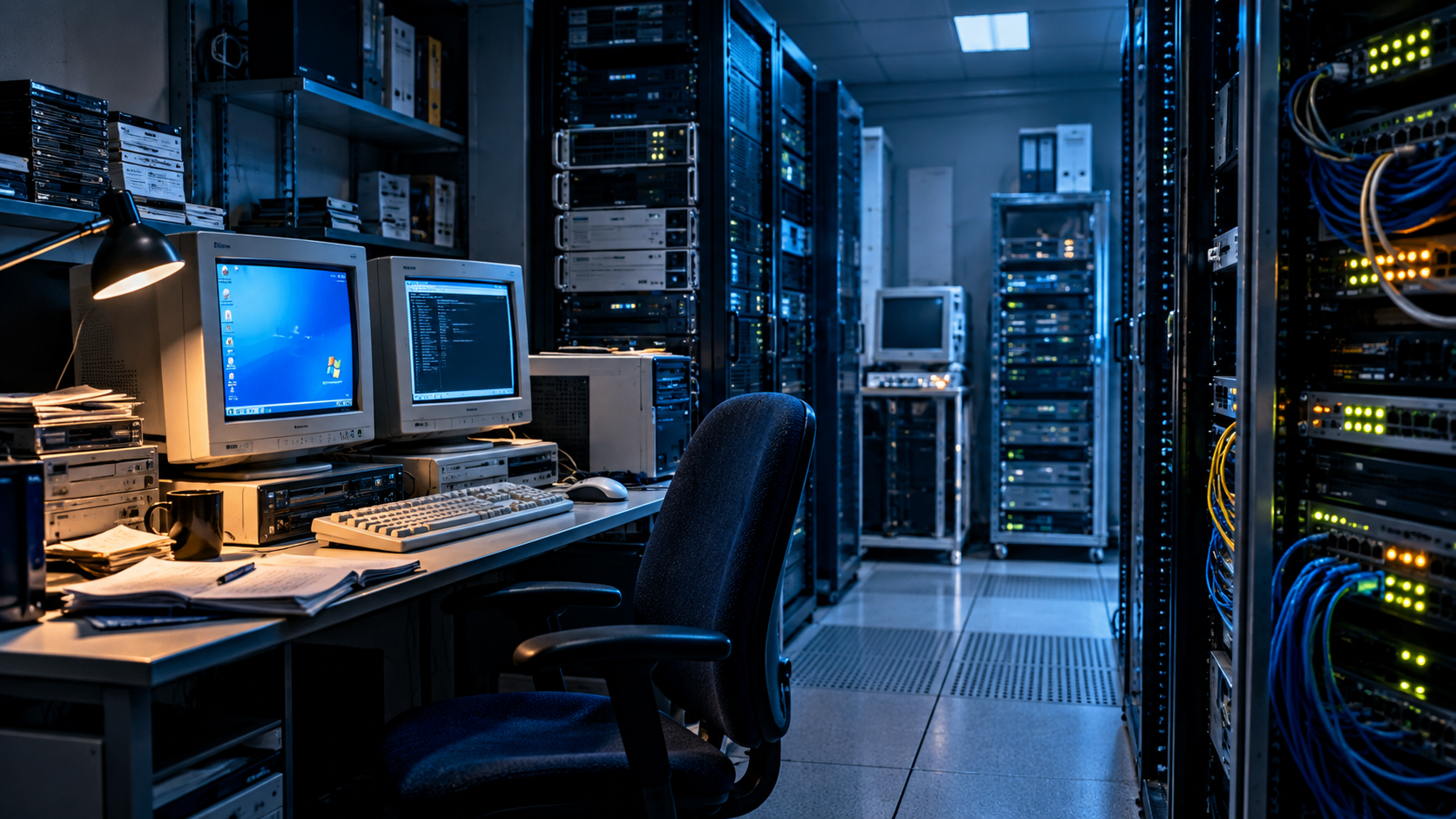
Illustrasjon av IT-miljøet ved starten av teknologireisen, med CRT-skjermer, arbeidsstasjoner og servere.

IT STARTED AS A STUDENT

From the classroom to running the college’s IT.

While studying at Bergen Technical College in 2003–04, I began running the IT environments at its two sites, Strandgaten 193 and Margaretastredet. That gave me practical responsibility for servers, workstations, networks and everyday infrastructure before I had finished my studies.

One of the first modernisation projects began with electricity use. The classrooms still had CRT monitors and long opening hours; on some days the premises were in use until 10 p.m. On BKK.no I found an energy calculator that let us compare the existing equipment with new LCD displays, which I remember consuming around 45 watts.

The calculation showed a surprisingly large difference. I no longer remember all the assumptions, including whether we used actual operating hours or continuous operation. It was more than twenty years ago.But I remember the result: the calculation indicated a payback period of less than two years, and the college bought complete classroom sets.

The equipment also had to be deployed efficiently. With Norton Ghost and imaging, I installed standard configurations across whole classrooms instead of setting up every PC from scratch.

It was an early lesson in two principles that have stayed with me:Measure before deciding, and standardise what can be standardised.
BTFCRT → LCDEnergy efficiencyImagingStandardisationIT operations
2005
Illustrasjon til En feil pekte mot en helt ny måte å bygge IT på.

THE FIRST MAJOR SHIFT

A fault pointed towards a different way to build IT.

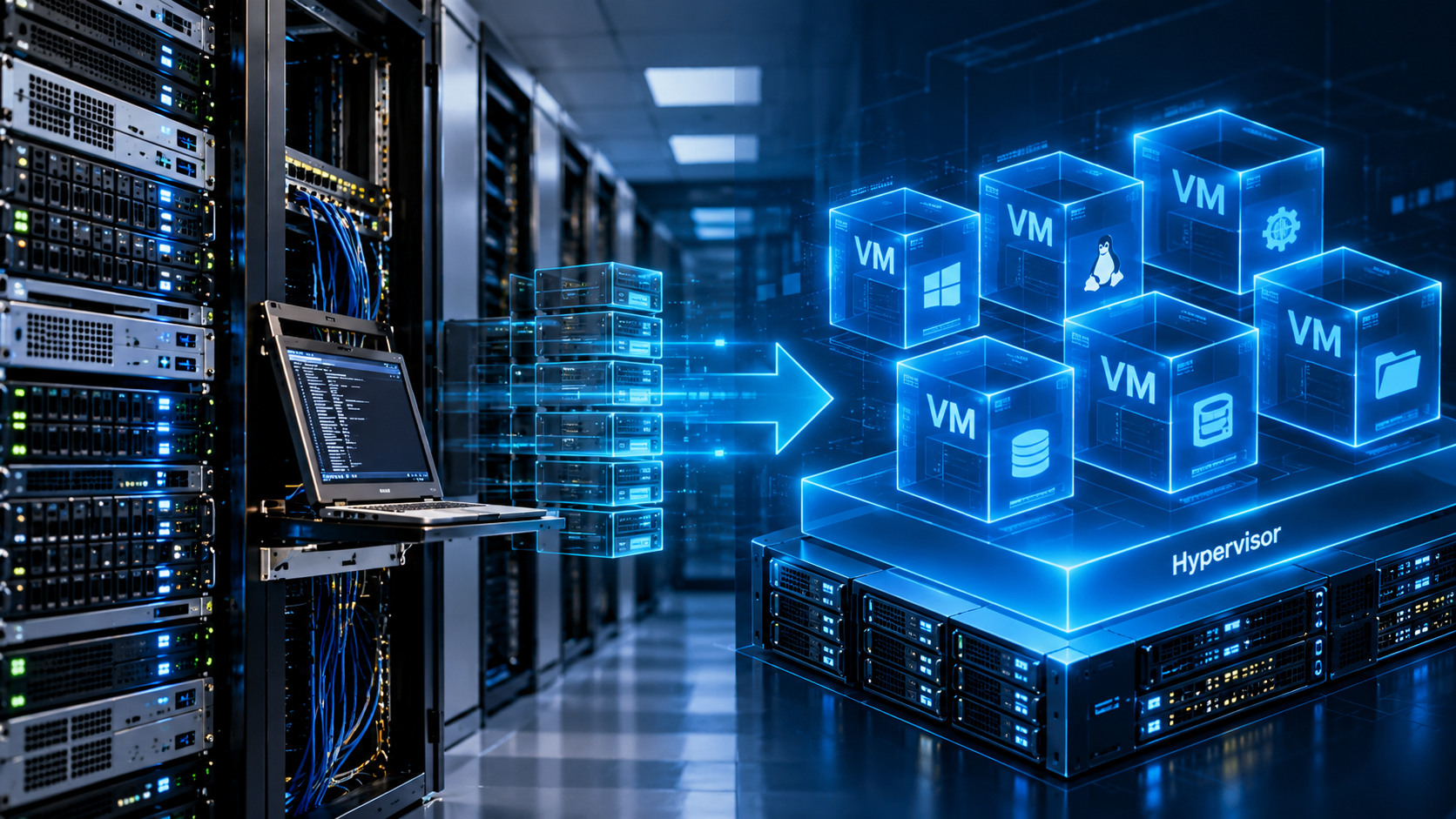
At itslearning I encountered a security problem involving DCOM in the existing server infrastructure. Rather than only repairing the immediate issue, I recommended virtualising the internal servers with VMware.

The point was more than reducing the number of physical boxes. We could establish a controlled starting point before upgrades and patches, standardise environments and recover faster if something went wrong. A server no longer had to be a physical machine.

VMwareActive DirectoryFile/printSANVirtualisation
2006
Illustrasjon til Fra noen servere til hel infrastruktur.

NOW IT HAD TO SCALE

From a few servers to an entire infrastructure.

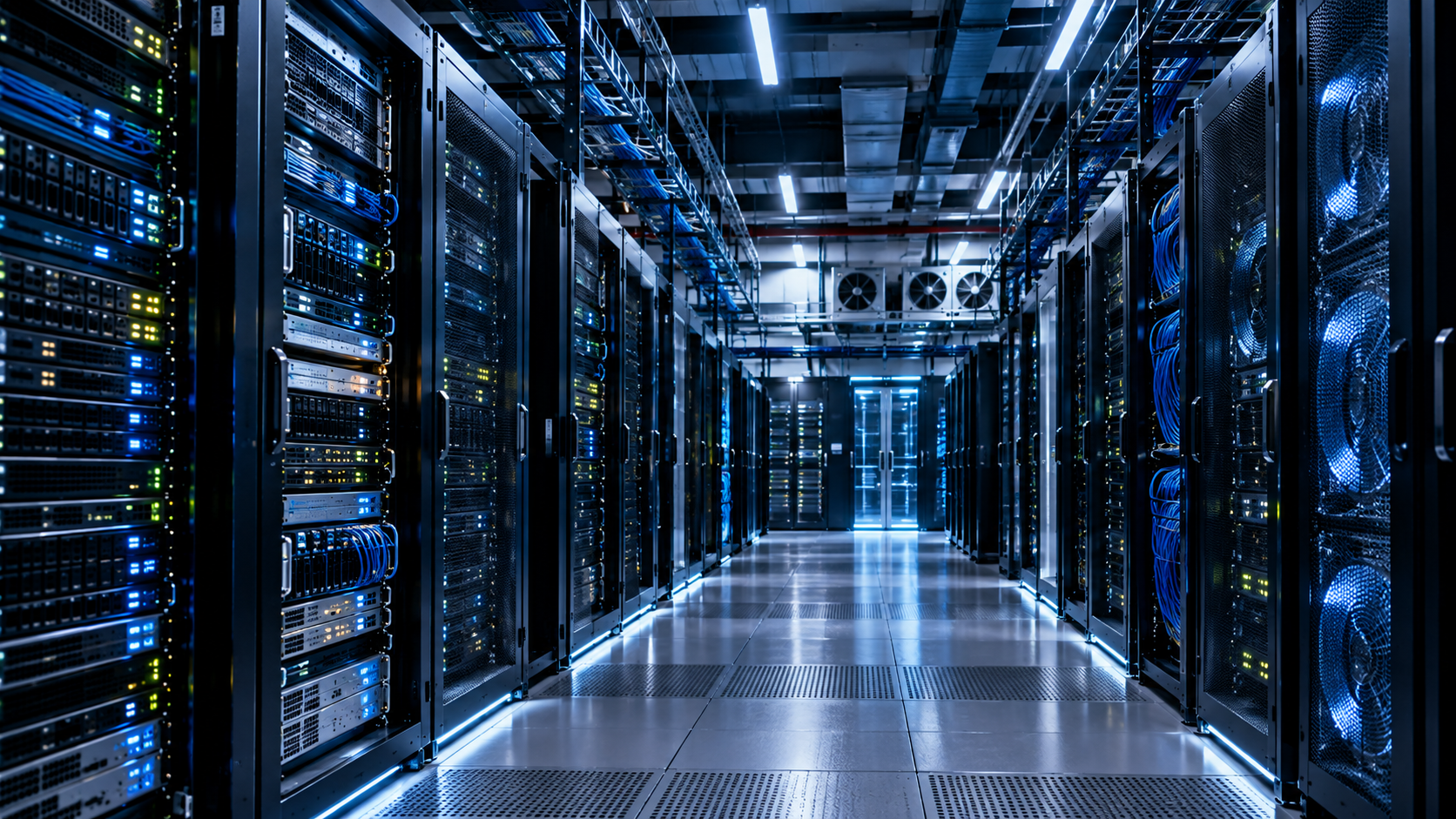
itslearning was growing, and its infrastructure had to grow with it. I worked on networks, server rooms, cooling, storage and connectivity, and on planning a physical relocation that also required moving the email system with very limited downtime.

It became clear that IT is more than the server. Power, cooling, networks, suppliers, risk, people and timing have to work together.

Server roomsNetworkingCoolingOn-prem emailOperations planning
2011–20
Illustrasjon til IT flyttet gradvis ut av rommet.

FROM SERVER ROOMS TO SERVICES

IT gradually moved out of the room.

The following years combined migrations, virtualisation, terminal servers, data centres and eventually cloud services. Office 365 entered the picture early. Email moved from Domino to Exchange. Customer environments moved into data centres. VMware became an everyday tool.

Technology was changing, but the work increasingly involved moving between old and new without stopping the business along the way.

Office 365ExchangeVMwareRDSActive DirectoryData centres
2020–25
Illustrasjon til Skyen erstattet ikke alt. Den koblet seg på alt.

HYBRID BECOMES THE NORM

Cloud did not replace everything. It connected to everything.

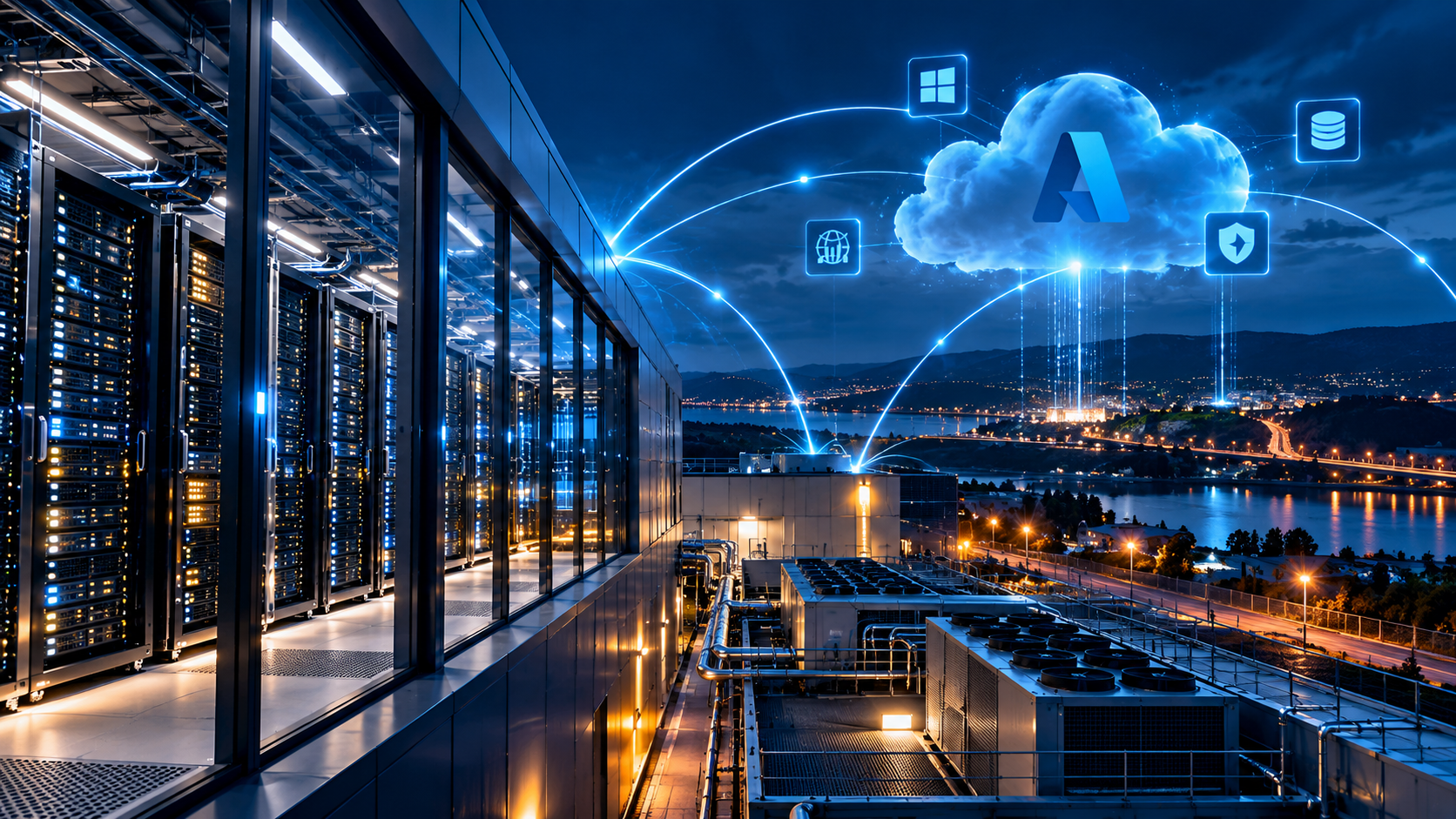
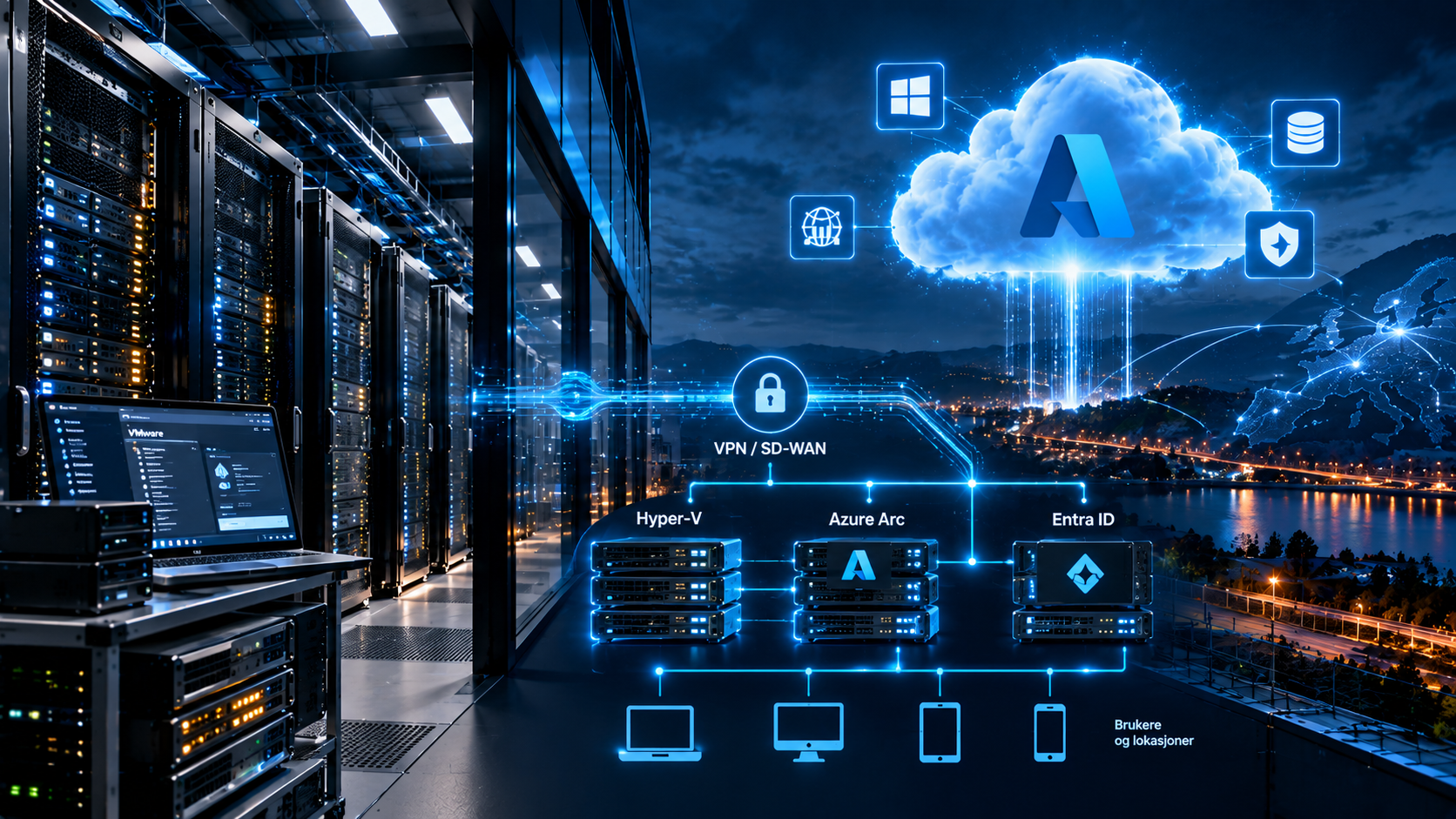
The work became increasingly hybrid: on-premises infrastructure, Azure, Microsoft 365, identity, MFA, Conditional Access, security and automation. New services had to work with existing systems, often where stability and security mattered more than adopting the latest technology at any cost.

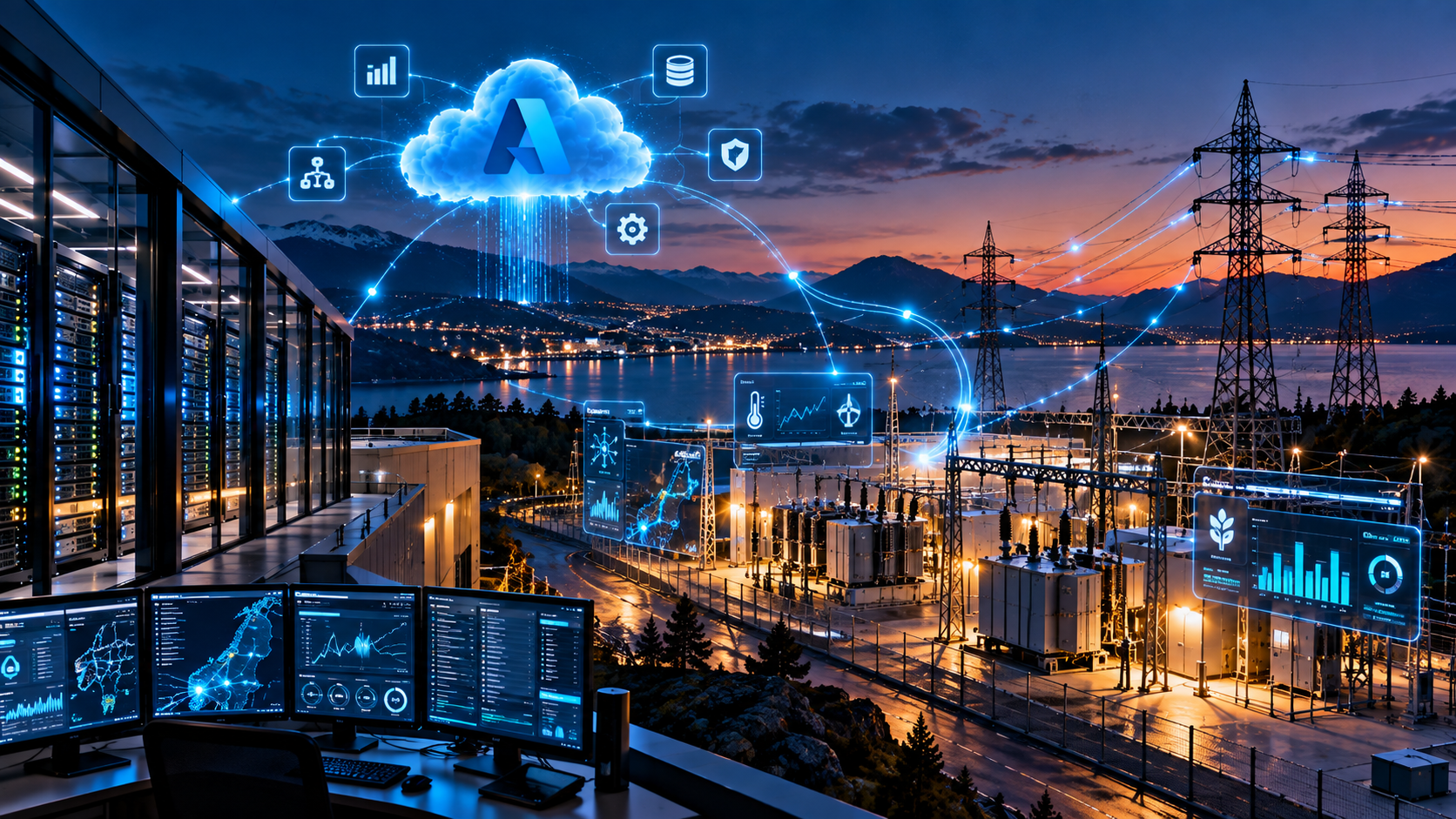
During this period I also worked with business-critical systems supporting physical trading in the electricity market. That made the connection between digital infrastructure, reliable operations and the physical energy system more tangible.

AzureMicrosoft 365MFAConditional AccessHybrid infrastructureEnergy
2026
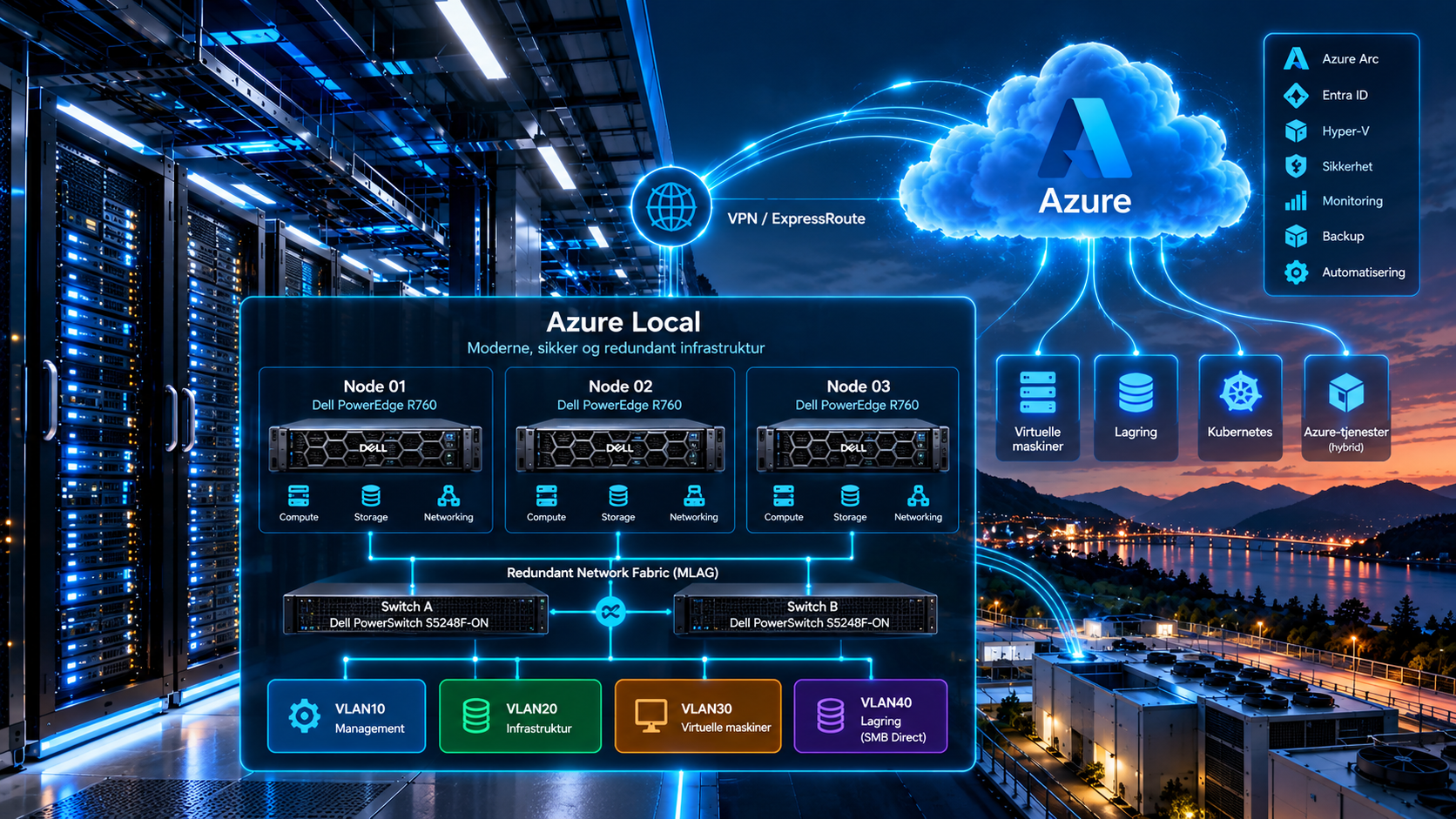
Illustrasjon av moderne Azure Local-infrastruktur med tre noder, redundant nettverk og Azure-integrasjon

CLOUD RETURNS TO THE DATA CENTRE

Modern local infrastructure, managed as part of the cloud.

In one of my final consulting projects I worked on the design and workshop material for an Azure Local solution: local compute, storage and networking combined with management, security and services through Azure.

What interests me is how the journey connects. From physical servers through virtualisation and public cloud to a modern hybrid platform, local infrastructure becomes central again, now within a cloud management model.

Azure LocalAzure ArcHyper-VClusterMLAGSMB DirectHybrid infrastructure
2026
Illustrasjon av hybrid infrastruktur, backup og disaster recovery.

BACK TO THE FOUNDATIONS

Hybrid infrastructure, backup and disaster recovery.

My final year in consulting also took me back to the foundations: virtualisation, backup, recovery, networking and preparedness. I worked on a hybrid solution where production, local backup, an offsite copy and disaster recovery had to form one coherent chain.

An existing VMware platform served as a temporary disaster recovery target while we planned the move towards a modern Hyper-V solution. Alongside this, I worked on network segmentation and clearer boundaries between production, clients, infrastructure and other zones.

Professional learning in 2026:AZ-104 · AZ-800 · AZ-801: Azure administration and hybrid Windows Server environments.

Hyper-VVMwareDisaster RecoveryBackupAzureNetwork segmentation
2026 →
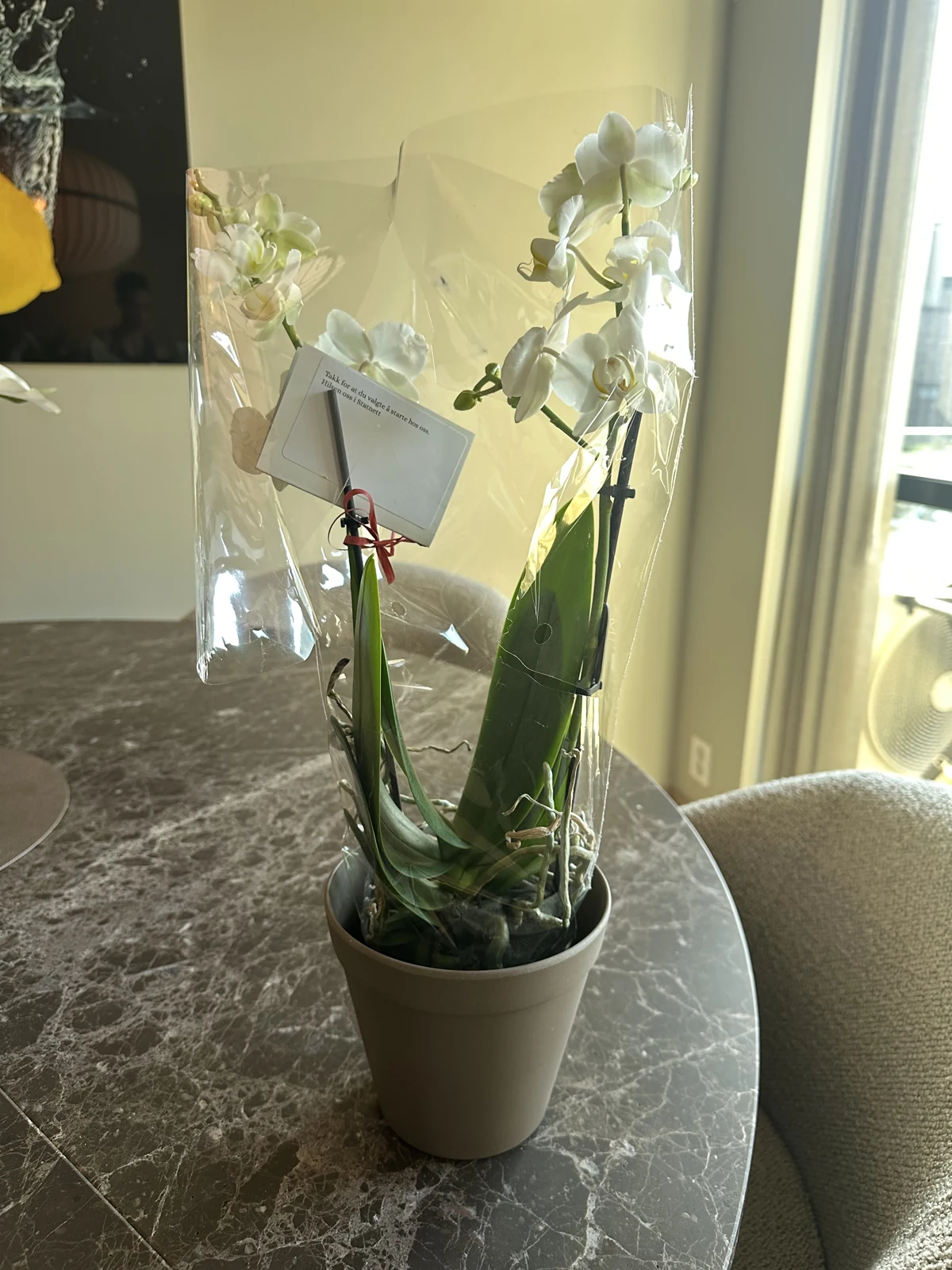
White orchid and welcome card from Statnett
A warm welcome from Statnett · 2 October 2026

A NEW CHAPTER

From the infrastructure behind systems to the infrastructure behind society.

On 1 October 2026 I started as a planner at Statnett, within project development and construction in Western Norway. After many years in IT infrastructure, cloud and systems supporting the energy market, the journey moves closer to the power system itself.

It does not feel like leaving technology behind. It feels more like following it to its foundations: compute needs energy. Energy needs grids. Capacity must be planned before it can be used.

PlanningPower systemsInfrastructureLearning
Perhaps the biggest shift is not what technology can do, but what one person can create with it.

From physical servers and virtualisation to hybrid infrastructure, power systems and AI-assisted development.

AND THEN CAME AI

The boundary moves
once again.

I have seen physical servers become virtual, server rooms become data centres, data centres become cloud, and manual installations become automated. But AI feels different: technology can now participate in the thinking and creative process itself.

💡
Idea
→
🧠
Dialogue with AI
→
⌨️
Build & test
→
🚀
Working solution
2003

Measure → calculate → modernise → operate

“What does the technology consume, and is there a better way to do this?”

23 years→
2026

Idea → dialogue with AI → build → test → publish

“Can I describe the idea, discuss it with AI and build the solution myself?”

WHY IANS EXISTS

A place where ideas can become real.

IANS is my personal laboratory. An idea can become code, a website, a tool, an analysis or a small project. ChatGPT is part of the process, not because AI does everything, but because the distance from an idea to learning, experimentation and a working solution has become much shorter.

Try.Build.Learn.Share.

I do not know exactly where this leads. That is precisely what makes it interesting to explore.

This is a personal account based on my career and selected projects. It is deliberately a story rather than a complete CV. IANS is a personal project, independent of my current and previous employers.

TECHNOLOGY IN THE JOURNEY